
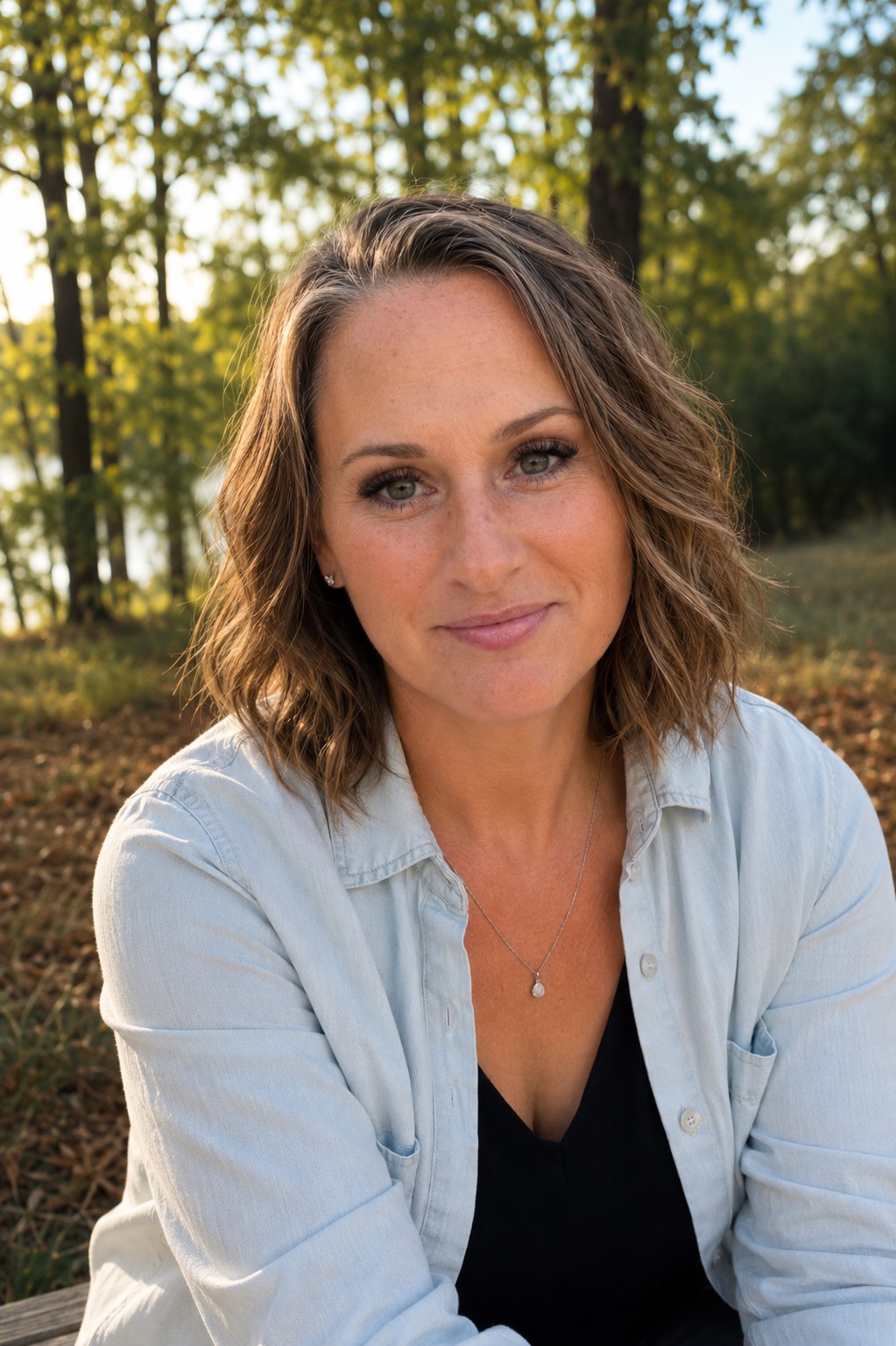
I'm Christi Kersten, LPC, founder of Ardent Grace Counseling and Teletherapy.
For more than twenty years, I've worked with adolescents, adults, families, and caregivers navigating anxiety, trauma, grief, neurodivergence, major life transitions, and the kinds of struggles that don't always fit neatly into a box.
My path into this work began in behavioral sciences, working with at-risk youth, children with serious mental illness, and foster families. After completing my master's degree in professional counseling, I continued serving those populations before entering private practice in Texas in 2011.
Over the years, my work has evolved, but the part that continues to matter most to me remains the same:
"Helping people understand themselves more clearly within the context of their unique story."
People make sense when we see the bigger picture. The beginning of healing often comes when we start to make sense of our story and the meaning we give our life experiences.
Many of the people I work with are thoughtful, capable people who have spent a long time carrying more than others realize.
They're often the people others depend on—the problem-solvers, caregivers, professionals, helpers, and deep thinkers who somehow became responsible for holding everything together.
Eventually, even strong people need somewhere to set things down.
Many clients come to therapy frustrated with themselves because they already know what they're "supposed" to do but still find themselves stuck.
Sometimes the question isn't: "Why can't I just do this?"
Sometimes the more useful question is: "What makes this so hard in the first place?"
Feeling stuck is often less about motivation and more about overwhelm.
Procrastination may have more to do with perfectionism, executive functioning, burnout, grief, fear, or carrying too much for too long than laziness or lack of effort.
Even emotions that feel disruptive or confusing often serve a purpose.
Together, we'll work to understand not only what is happening, but why it may be happening—and what your mind, body, or nervous system may be trying to accomplish.
Because strategies tend to work better once they're aimed at the right problem.
"I don't believe therapy is about becoming someone different. I believe it's about understanding yourself more clearly, making sense of your experiences with greater compassion, and finding a way forward that feels authentic, sustainable, and true to your values."
My Work Draws From
I view modalities as tools rather than therapy templates. Different people need different things at different times, and therapy should adapt to the person—not force the person to adapt to the model.

Outside of the therapy room, I am a mother, caregiver, and member of the military community who has experienced firsthand some of the complexity, unpredictability, grief, and growth that life can bring.
My family includes two neurodivergent daughters who have taught me more than I could ever capture in a credential or training certificate.
My own experiences with grief and rebuilding after the loss of a partner to cancer have deepened my appreciation for resilience, meaning-making, and the importance of creating spaces where people feel genuinely understood.
I am intimately familiar with many of the unique experiences military families face, including transition, uncertainty, caregiving, service-related stressors, profound loss, and the challenge of rebuilding after life changes in ways we never expected.
I believe there is always room for hope, purpose, and growth—even when life looks very different than we imagined it would.
Is My Approach Right for You?
What is therapy with you actually like?
My style is collaborative, conversational and interactive. I ask questions, notice patterns and help connect pieces that may initially seem unrelated. Sometimes we need insight; sometimes we need practical strategies; usually we need some combination of both. I don't expect you to arrive knowing exactly what you need.
Do you use CBT?
I draw from multiple evidence-informed approaches, including cognitive and behavioral strategies when they fit the person and the problem. I view therapy models as tools rather than templates. No single approach is the right fit for every person, problem or moment.
Do I need to know what I want to work on before my first appointment?
No. You can arrive with a very specific goal or simply knowing that something isn't working anymore. We can begin there and figure out the rest together.
Can Christian faith be part of counseling?
Yes. If your faith is important to how you understand yourself, your relationships, suffering, meaning or the decisions you make, it can absolutely be part of therapy. Faith integration is client-led rather than assumed. You do not have to be Christian or want faith incorporated into counseling to work with me.
I'M HERE TO HELP
Therapy that honors your unique story.
Individualized care for adolescents (13+) and adults.